
What ASMR Can Teach You About Being Happy
Shhh


ASMR — the most popular YouTube trend that you probably don’t understand. Here’s the 101:
ASMR = Autonomous Sensory Meridian Response = a tingly sensation from the scalp to the neck that occurs when listening to auditory triggers
Common triggers: whispering, crisp sounds, slow movements, repetitive tasks, Bob Ross
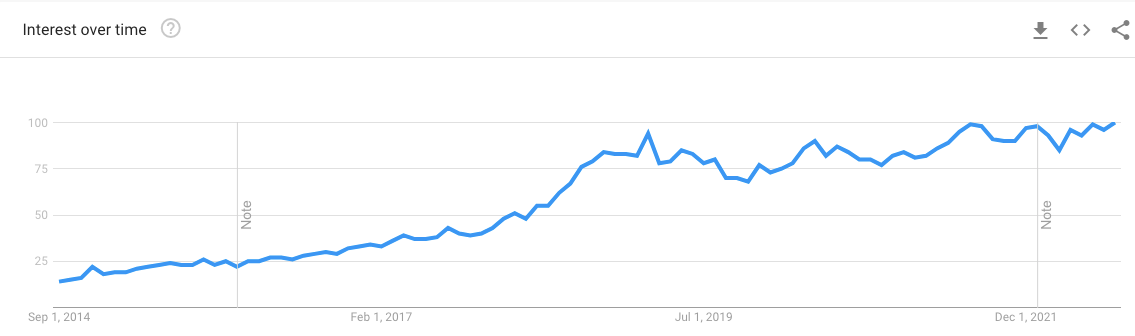
It’s big: the most popular video has 387 M views; worldwide interest trends have consistently increased since the term’s inception in 2010
A Little Deeper
The most common motivations for watching ASMR videos are sleep, relaxation, mood improvement, and flow state. One listener described his ASMR experience as “…an extremely relaxed trance-like state, that I didn’t want to end, a little like how I have read perfect meditation should be but I never ever achieved.”
Some ASMR videos do indeed have a lot in common with guided meditation. Watching a YouTuber calmly fold laundry or cook encourages viewers to similarly detach from their stressors and enjoy the present. Queuing up a YouTube video while overwhelmed is also a lot less intimidating than settling into lotus position on a meditation cushion, which is why searches for ASMR peak at 10:30 pm and are predominantly on mobile devices.
ASMR must be experienced to be understood. I’ve ventured down the wild rabbit hole of ASMR videos and found 3 beginner-friendly ones. Turn up the volume and listen for a few minutes:
What’s the Point?
ASMR helps me rediscover the wonder of sound. I’ll be drawn into the often-reported “trance state” while watching a YouTuber tap on the empty Coke can, enjoying how the sound reverberates and affects my ears and head. Once the video ends, I instinctively feel disappointed, only to realize that I can listen to my everyday sounds with just as much awe as during those videos. (Currently, it’s the gentle hum of cars gliding by on their way to work and the murmur of arborist’s chainsawing a fallen tree in the distance).
So “the point” of watching these videos or doing more formal meditation is to stop striving to change reality and start accepting, even enjoying it for what it is now. Sound is especially useful with this effort because it is always present and changing. There’s no pressure to do anything when enjoying sounds — just pause and enjoy what shows up.
How awesome it is to get to hear so many sounds during our days. Why not also listen to them?
Tyler