
How I Cured My Chronic Pain

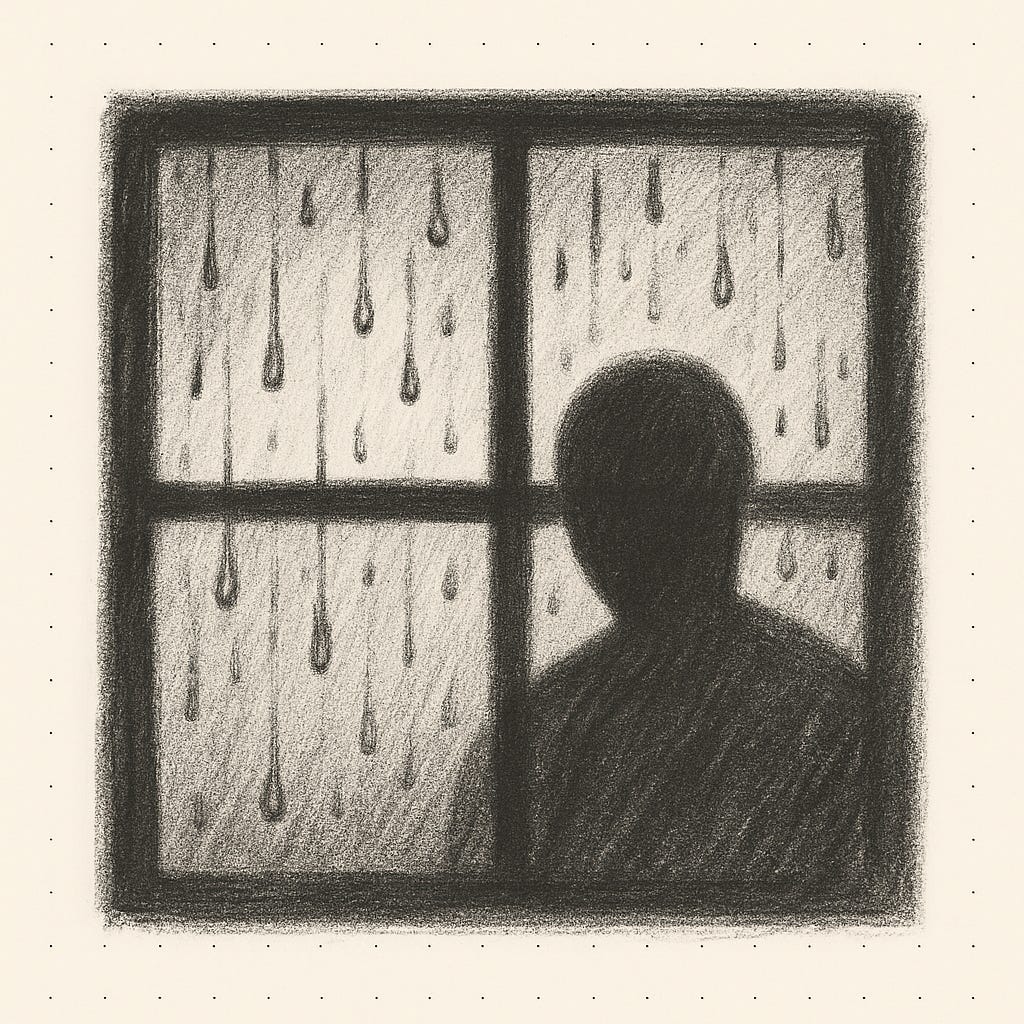
I developed debilitating chronic pain in 2018. The isolation and self-hatred that followed made me so hopeless that, for the first time in my life, I considered suicide. Eight months later, however, I am pain-free and thriving. This is the account of how I ended up in such a terrible place, and how I got out.
Part I: Chronic Pain
Part II: Recovery
Part III: Disclaimers
Part IV: Resources
Part I: Chronic Pain
Here I summarize the symptoms of my chronic pain and my responses to them. If you’re not interested in the details, skip to the Recovery section and just know that nothing I tried helped my long-term knee and arm pain.
Stage 1: Training Pain
The first form of chronic pain I experienced was in late 2017 while I was training for an ultramarathon.
Symptoms
Nagging pain in knee during longer training days
Intense attacks of pain—one during bike ride to gym for a long training session and another during the ultramarathon
Response
Confused at suddenness of knee pain, but assumed it was caused by overuse
Took a few days off
Adjusted running form
Started wearing knee braces
Stage 2: Chronic Pain
Symptoms
Painful to walk or stand for weeks after the run
Pain spread to other knee
Another intense attack that prevented me from bearing any weight on legs for three days
Response
Assumed pain spread due to over-compensation
Examined by primary care physician
Given anti-inflammatories and referred to therapy
Referred to two physical therapists
Was told that overuse, inflammation, and potential compression of kneecap tendon caused pain
Given flexibility and strengthening exercises
Examined by orthopedic sports medicine specialist
Tests for torn ligaments, broken bones, and other common injuries were negative
MRI showed minor inflammation near kneecap
Told to continue therapy
Medical providers were confused why I was still in pain for months after I had stopped running
Arm Pain
Next, I developed forearm, wrist, and hand pain during the spring of 2018.
Stage 1: Discomfort
Symptoms
Occasional discomfort and tightness in right wrist and hand
Discomfort eventually spread to left wrist and hand
Interestingly, knee pain subsided
Response
Instinctively stretched and massaged wrists while typing
Assumed symptoms would eventually pass
Stage 2: More Frequent Discomfort
Symptoms
Discomfort in hands and wrists by the end of the work week
Especially bothersome when doing repetitive computer tasks
Response
Constantly shaking hands in attempt to relieve pain
Still assumed discomfort would pass on its own
Stage 3: Chronic Pain
Symptoms
Pain in hands, forearms, and wrists on daily basis
Challenging to type throughout the day
Response
Started stretching hands and taking regular breaks
Started researching
Self-diagnosed myself with a Repetitive Strain Injury (RSI)
Believed my symptoms were caused by diseased tissues due to repeated exposure in non-ergonomic position with insufficient rest
Improved my workstation ergonomics and typing habits
Wore wrist braces whenever typing
Went on 9-day vacation with no typing
Felt OK during vacation, but pain returned a few days after returning to work
Went to primary care physician
Doctor unsure how to diagnose and worried that the injury might become chronic
Prescribed anti-inflammatories for pain management
Referred to physical therapy
Went to occupational therapist twice a week
Physical therapist wasn’t sure how to diagnose but thought that my frequent typing, hunched posture, and weak shoulders were factors
Physical therapist prescribed the following treatment:
Stretch breaks every 20 minutes
Sleep with wrist braces on
Self-massage twice per day
Hot shower in morning to warm up hands before typing
Ultrasound
Ice to reduce inflammation
Heat to manage pain
Only experienced minimal, temporary relief after following treatment
Stage 4: Debilitating Pain
Symptoms
Shooting pain from elbows to fingertips
Extreme, frequent pain in both wrists and forearms
Unable to text or type—forced to use voice recognition software
Response
Constant anxiety—could sleep for only a few hours a night because of fear of having to type the next morning
Unable to fold laundry, turn a door knob, or place hands on keyboard
Went on medical leave from work and worried about losing my career in software development
Angry that I had become a burden for my friends and family
Felt worthless due to inability to use my hands
Prospect of being an unproductive, uncreative burden for the rest of my life was so unbearable that I considered suicide.
Part II: Recovery
The first step in my recovery was noticing the inconsistencies between my diagnoses and my pain.
When I asked my doctors and therapists why I was in pain, I continually heard that my tissues were diseased or inflamed due to insufficient rest. Yet those answers failed to explain some curious aspects about my symptoms. Specifically:
After I developed pain in my arms, my knees stopped hurting.
I was able to squeeze my bike brakes during my six-mile ride to and from therapy, yet I couldn’t type on a keyboard during my session.
My older therapists and peers could type fine using the same mechanics that supposedly led to my symptoms.
Despite being told that I needed more dexterity, my fingers, shoulders, and wrists were much more flexible than my therapist’s and peers’.
My pinch strength in both hands was average for men of my age.
My pain intensified when I was around certain people.
The location of my pain did not match the areas of physical stress. For example, I would use my right index finger to mouse click, but then feel pain in my left index finger, which had been resting at my side.
My forearms and hands felt normal for the first time in weeks after doing all my therapy exercises one day. Immediately after experiencing a sense of relief, however, I felt a sharp pain in my right eye. The next day, it seemed like my vision had weakened. After getting an eye exam, however, I was told that my vision hadn’t changed since my checkup the year prior. Shortly after the exam, my vision returned to normal.
I didn’t have the answers for these curiosities, and neither did my medical team. In addition, no one could explain why my pain persisted longer than the normal recovery period for knee and upper extremity injuries. When I asked why I wasn’t improving, everyone kept repeating the same phrases—inflammation, poor posture, tissue damage, more stretching, longer breaks. The more they dismissed my observations, the more I wondered whether they clung to those hollow explanations because they sounded more professional than saying, “We don’t know why you’re in pain. There seems to be nothing wrong with your body.”
I learned about John E. Sarno’s mindbody prescription.
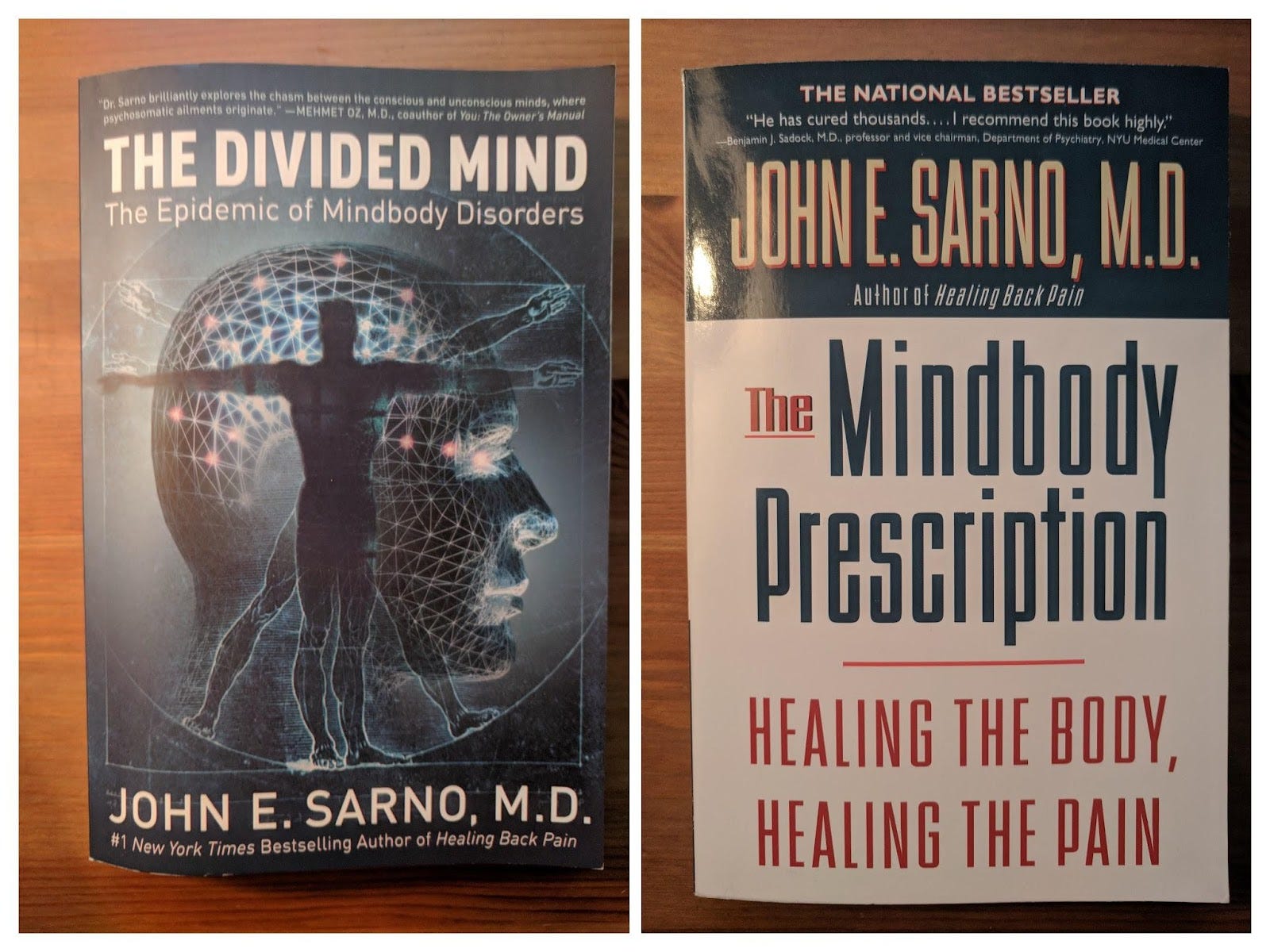
Disappointed with my treatment, I started doing my own research, which led me to the work of John E. Sarno, MD. I read Sarno’s The Mindbody Prescription: Healing the Body, Healing the Pain (1999) and The Divided Mind: The Epidemic of Mindbody Disorders (2007). Although I recommend that everyone read these books and the materials listed in Part IV for more context, I will summarize the principles that are most relevant to my story:
Research suggests that structural abnormality (herniated disc, diseased tissue, compressed nerve) is not the root cause of most musculoskeletal chronic pain.
Instead, the pain is initiated by emotional repression, which, via neural mechanisms in the limbic and autonomic nervous systems, restricts blood flow to affected tissues. This causes tissue ischemia, which leads to muscle tension and soft tissue pain.
This process is initiated by the unconscious as a defense mechanism against repressed emotion, especially rage.
The purpose of the pain is to divert attention from the rage. To the unconscious, experiencing physical pain is preferable to experiencing repressed emotions.
The onset and intensification of symptoms typically coincide with an emotionally stressful event or trauma.
Reactions against activity in the unconscious and the development of symptoms to cover them up is a universal phenomenon.
Those who experience chronic pain as a result of this phenomenon typically exhibit some of the following personality traits: perfectionism, goodism, legalism, stoicism, a need to excel, competitiveness, and self-criticism.
To improve, one must:
Repudiate one’s structural diagnosis and acknowledge the psychological basis for one’s pain
Identify the sources of one’s emotional stress
Once the emotional stressors are identified, the unconscious no longer has anything to gain from causing physical pain as a distraction
Sarno suggests looking in the following areas:
childhood experiences, such as abuse or neglect
personality traits (listed above)
life stresses and pressures
aging and mortality
experiences of conscious but unexpressed anger
Discontinue physical treatment and resume a normal lifestyle
I accepted the psychological basis for my pain.
I was hesitant to believe Dr. Sarno’s psychological explanation—it seemed too simple. Yet I couldn’t deny that I identified with every personality trait that is common among those who develop psychogenic issues. The mindbody perspective also more convincingly explained my confounding symptoms. I came to realize that:
The onset and intensification of my knee pain coincided perfectly with my training for the ultramarathon. My pain did not originate from my running but from the repressed anger I experienced due to my stubborn decision to complete a demanding run during a busy period in my life.
My knee pain disappeared because my arm symptoms served as a sufficient distraction. My eye pain and vision symptoms similarly occured because they were effective distractions from my emotions.
The inconsistent location of my pain also made sense—if the pain was initiated by my neuropsychology and not by my damaged tissues, then it could easily shift locations.
I eventually accepted that there was nothing structurally wrong with my knees, arms, or eyes. The tissues were not permanently damaged. The nerves near my wrist were not compressed. I was not perpetually inflamed. By accepting the mindbody diagnosis and repudiating my structural diagnoses, I allowed myself to make progress.
I identified the sources of my emotional distress.
Next, I spent time uncovering my sources of emotional dissonance and rage. I filled two whiteboards with ideas. Three stuck out.
The first was my obsession with accomplishing all the goals that I set for myself at the beginning of the year. Sacrificing my sleep and social life in order to meet my arbitrary markers of success enraged the part of me that simply wanted to enjoy my life.
The second source of distress was my decision to donate a kidney. Donation appealed to my logic and goodism because it would’ve allowed me to dramatically improve someone’s life while only sacrificing a few weeks of income and some physical comfort. As my operation date approached, however, my chronic pain symptoms worsened. One of my most painful attacks occurred while I was being evaluated by the donation team for my mental and physical suitability. My hands were in so much pain during that time that I had difficulty filling out my medical forms. Consciously, I very comfortable with donating my kidney. But the prospect of sacrificing my well-being for a stranger infuriated my unconscious.
Finally, I was angry that my long-term dream of relocating to Asia was once again falling apart. After being rejected for the third consecutive year for a scholarship that would have supplied me with a job in Asia, I decided to find one on my own. But I was also rejected by every company I applied to. I then had trouble obtaining a long-term visa and securing a big enough budget. I resented the scholarship committee for their lack of belief in me, and I hated myself for my inability to actualize my dream.
As soon as I came to terms with these stressors, I felt a rush of warmth spread to my hands. Within four hours, my forearms and hands went from experiencing intense pain at the slightest movements to feeling 80% normal again. For the first time in weeks, I was able to take off my braces and move my hands without pain.
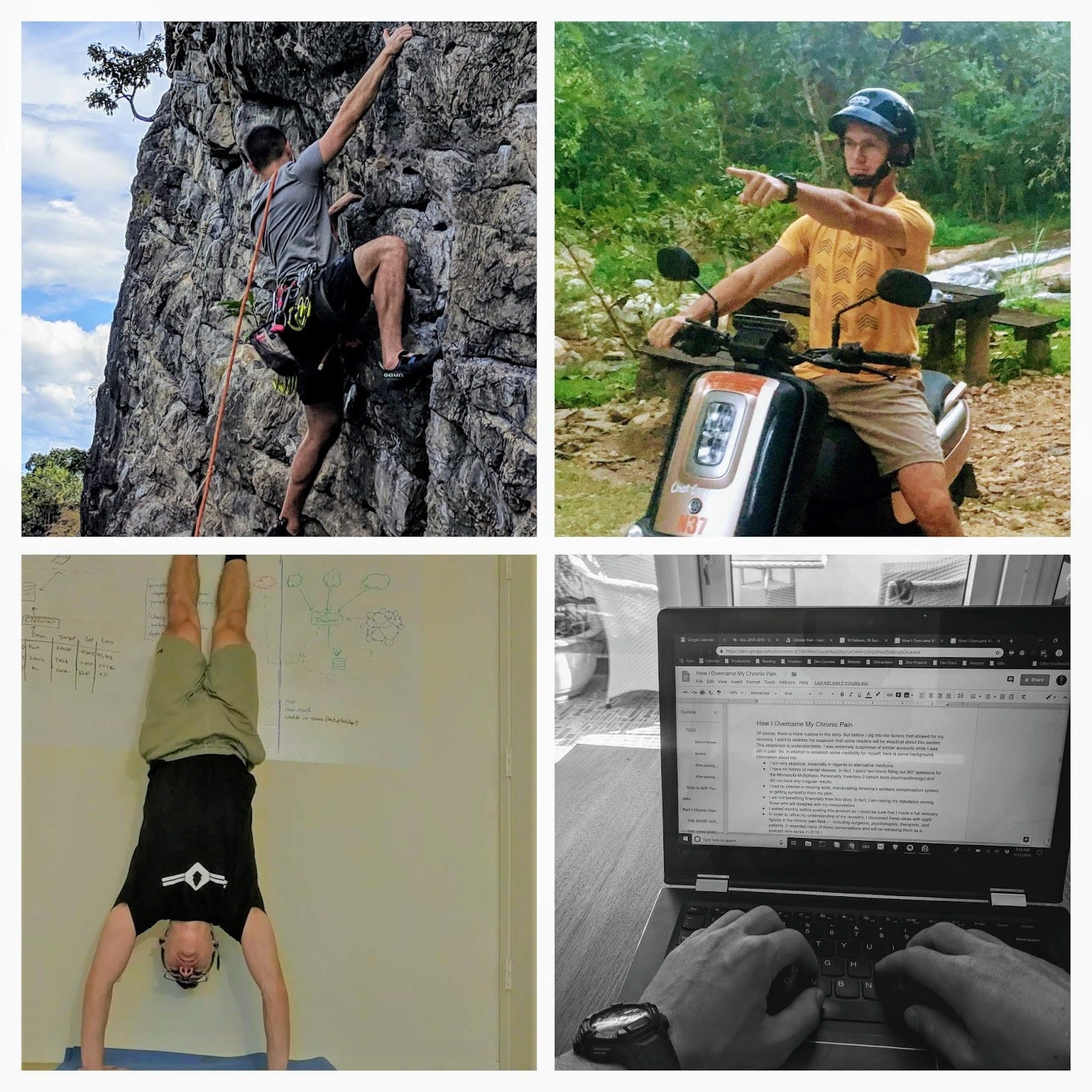
By the time I finished the book the next day, I felt 90% normal. I tested the boundaries of my improvement by doing activities that would have set me into a fit of pain one day before: I typed on my phone, drove around town, and jumped rope. I became so confident in my recovery that I took Sarno’s advice and resumed my normal life—I returned my wrist braces, ice packs, and RSI books; I canceled all appointments with my therapists and hand surgeon; and I returned to work. Eight months later, I am still living pain-free. I rock climb, ride scooters, and type without pain. And I no longer believe that my body was ever structurally broken or that I was destined to live in pain for the rest of my life.
After my initial recovery, I made some much-needed changes.
I became more self-compassionate
gave myself permission to not accomplish everything on my long list of goals. I allowed myself to get rejected without loathing with self-hatred. Instead of suppressing every thought and activity that I considered unproductive, I experienced my feelings without judgment. Combating my perfectionism with self-compassion and mindfulness helped me reclaim agency over my emotions.
I withdrew my candidacy as a kidney donor.
It became clear that the drawbacks of donating a kidney were distressing me. I had resented the prospect of sitting home for weeks after surgery without the opportunity to work or exercise. I also hated the idea that I would have to be more conservative for the rest of my life in order to protect my remaining kidney. Although I would’ve loved to help someone in such a profound way, I realized I couldn’t do so without sacrificing my own mental well-being. After withdrawing myself as a potential donor, I immediately felt relieved.
I continued the practices that resulted in my initial improvement.
I reread the “Treatment” chapter of Sarno’s The Divided Mind daily for weeks in order to internalize the material. I continued to search for sources of emotional distress in my life. I also implemented journaling, expressive writing, and guided-meditation into my routine. Whenever I experienced flare-ups, I stopped to consider the psychological basis for my symptoms.
My fight with chronic pain was one of the most physically and emotionally difficult periods of my life. But that experience resulted in more than pain and stress—I became grateful for my health; I adopted a more sustainable lifestyle; and I learned about the intimate connection between the mind and the body.
Part III: Disclaimers
I expect that some readers will be skeptical about my interpretation in Part II, so here I address common objections to my recovery story.
Your recovery was caused by a strong placebo, not because you addressed your emotional issues.
Maybe. After all, psychological and neurophysiological dispositions have been shown to affect pain perception.2 But my attitude during my recovery was not primed to respond to a placebo; I tried the treatment out of obligation, not optimism. I was so pessimistic about Sarno’s teachings that I expected to skim the book for a few minutes, find nothing but quackery, and then return it. I was much more likely to experience placebo analgesia during the early stages of my when I was more confident in the healing power of rest, braces, and ultrasound. (Conditioned placebo analgesia can certainly persist in the absence of expectation, but I don’t believe I had enough conditioning for this to occur.3) Furthermore, I have been pain-free for eight months at the time of this writing. Although the duration of placebo cures varies, they are typically more temporary than those of the treatments against which the placebo is tested.4
But even if my recovery was entirely caused by a placebo, I’d be OK with that. I’d rather be healthy because I fell for a placebo than miserable because I insisted upon a less-stigmatized treatment.
There is not a large body of scientific research to substantiate Dr. Sarno’s claims. Therefore, they cannot be trusted.
There may be more clinical evidence than you realize due to the contending nomenclature of these ideas. Dr. Sarno coined the terms Tension Myositis Syndrome and Tension Myoneural Syndrome (TMS) to describe psychogenic musculoskeletal and nerve symptoms. However, doctors who independently reached similar conclusions use terms like Distraction Pain Syndrome (DPS), Psychophysiologic Disorder (PPD), Mind Body Syndrome (MBS), and Stress Illness (SI). The term “mindbody” has also been used synonymously with “cognitive behavioral therapy.”
Compared to more conventional treatment modalities, however, the approach is admittedly lacking. I believe this lack of research reflects the systemic barriers surrounding psychosocial approaches more than it does their legitimacy. Nevertheless, recent case studies and randomized clinical trials have shown encouraging clinical results that may promote further research into programs for chronic pain. 5 6
Finally, the popularity of a research topic is not representative of its efficacy. For example, there is plenty of research about back surgery, but up to 40% of patients describe persistent pain after spinal surgery.7
The impact of mindbody treatment is not as all-encompassing as Sarno believes. There are plenty of chronic pain recovery stories that do not require one to believe in mindbody principles.
This could be true. For example, low-dose naltrexone seems to dramatically help some fibromyalgia patients.8 Some RSI patients also maintain that wearing hand warmers while typing alleviates their symptoms. While I’m glad that people are finding relief, their improvement doesn’t disprove the mindbody explanation. Their treatment could function as a placebo or addresses a symptom rather than the root cause of repressed emotion.
Many people who accept the mindbody prescription take a long time to recover, so you must be exaggerating.
I do not promise that everyone can get dramatically better after reading a few books like I did. I believe my recovery was so rapid because my skepticism about the structural explanation made it easier for me to abandon it. I also experienced symptoms for a matter of months. The memory of painful movement mediates real-time pain response, so someone who has been in pain for years might have more difficulty reversing their conditioned behavior
Part IV: Resources
Journal
Institute of Medicine. Relieving Pain in America: A Blueprint for Transforming Prevention, Care, Education, and Research. Washington, DC: National Academies Press; 2011. Link.
Books
John E. Sarno, The Mindbody Prescription: Healing the Body, Healing the Pain (1999)
John E. Sarno, The Divided Mind: The Epidemic of Mindbody Disorders (2007)
David Hanscom, Back in Control: A Surgeon’s Roadmap Out of Chronic Pain (2016)
Howard Schubiner, Unlearn Your Pain: A 28-Day Process to Reprogram Your Brain (2016)
Blogs
Aaron Iba, “How I Cured My RSI Pain”
Dr. Howard Schubiner, “Four Questions Can Help Determine the Cause of Chronic Pain”
Dr. David Hanscom, “Why I’m Leaving My Spine Surgery Practice”
Websites
Video
Dr. Howard Schubiner’s TMS lecture series
Lorimer Moseley’s Body in mind – the role of the brain in chronic pain and Why Things Hurt
GotPainCure’s Response to the skepticism surrounding TMS
Dr. Rashbaum’s TMS methodology lecture
Dr. Hanscom’s video catalog
Jake Beech’s RSI recovery story
Podcasts
If you think you may have a medical problem, consult with your doctor. Never disregard professional medical advice or delay in seeking it because of something you have read on this Site. Reliance on any information provided by this Site is solely at your own risk. The Contents of this Site, such as text, graphics, images, and other material contained on this Site or links to external sites (“Content”), are for informational purposes only. The Content is not intended and should not be construed as medical advice, diagnosis, or treatment recommendations. The Site owner does not recommend or endorse any specific doctor, therapist, service provider, product, procedure, opinion, or other information that may be mentioned on this Site. While the content in this Site attempts to be as accurate as possible, it should not be relied upon as being comprehensive or error-free.
Footnotes
Chronic pain lasts more than several months. By contrast, acute pain is of sudden onset and expected to last a short time. Although I focus on two types of musculoskeletal pain, other common sources of chronic include: migraines, joint pain, fibromyalgia, endometriosis, irritable bowel syndrome, interstitial cystitis, vulvodynia, trauma, postsurgical pain, low back pain, musculoskeletal disorders, temporomandibular joint disorder, shingles, sickle cell disease, heart disease (angina), cancer, stroke, and diabetes.
Colloca, Luana et al. “Placebo analgesia: psychological and neurobiological mechanisms” Pain vol. 154,4 (2013): 511-4.
Schafer, Scott M., et al. “Conditioned Placebo Analgesia Persists When Subjects Know They Are Receiving a Placebo.” The Journal of Pain, vol. 16,5, (2015): 412–420., doi:10.1016/j.jpain.2014.12.008
Hansen B. Meyhoff HH. Nordling J, Mensink HJ, Mogensen P. Larsen EH. Placebo effect in the pharmacological treatment of uncomplicated benign prostatic hyperplasia. The ALFECH Study Group. Scand J Ural Nephral. 1996;30(5):373-377
Schechter, David & Smith, Arthur & Beck, Jennifer & Roach, Janine & Karim, Roksana & Azen, Stanley. (2007). Outcomes of a mind-body treatment program for chronic back pain with no distinct structural pathology – A case series of patients diagnosed and treated as tension myositis syndrome. Alternative therapies in health and medicine. 13. 26-35.
Morone NE, Greco CM, Moore CG, et al. A Mind-Body Program for Older Adults With Chronic Low Back Pain: A Randomized Clinical Trial. JAMA Intern Med. 2016;176(3):329–337. doi:10.1001/jamainternmed.2015.8033
Sahin N, Sargin S, Atik A. Failed Back Surgery: A Clinical Review. International Journal of Orthopaedics 2015; 2(5): 399-404 Available from: URL: http://www.ghrnet.org/index.php/ijo/article/view/1306
Younger, Jarred, et al. “Low-Dose Naltrexone for the Treatment of Fibromyalgia: Findings of a Small, Randomized, Double-Blind, Placebo-Controlled, Counterbalanced, Crossover Trial Assessing Daily Pain Levels.” Arthritis & Rheumatism, vol. 65, no. 2, 2013, pp. 529–538., doi:10.1002/art.37734.